Personal Use
Jewellery can be worn and enjoyed while also providing exposure to gold.
Gold jewellery can combine personal enjoyment with ownership of a precious metal. Learn how purity, making charges, gold prices, taxes and resale value affect the actual economics of buying jewellery as a financial asset.
Gold jewellery contains a quantity of gold, but the price you pay usually includes more than the underlying value of the metal.
Design, craftsmanship, making charges, retailer margins, taxes and other costs can all affect the final purchase price. This means jewellery should be evaluated differently from investment-oriented gold products such as bars and coins.
The purity and weight determine the underlying quantity of gold in the jewellery.
Design and manufacturing can add significant costs beyond the metal value.
The final price may include making charges, taxes and retailer premiums.
The amount you receive later can differ substantially from your original purchase price.
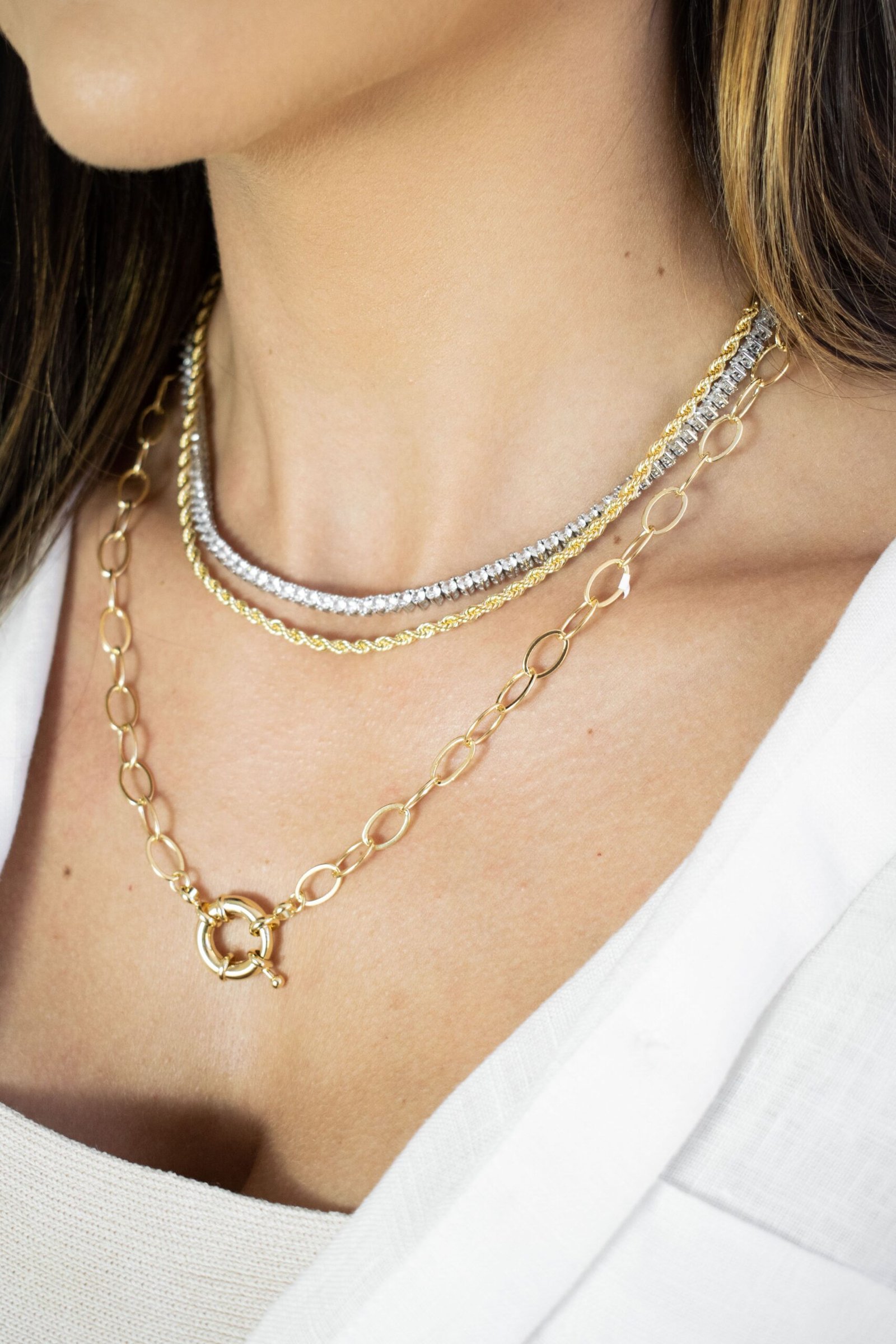
When purchasing gold jewellery, it is important to separate the value of the gold from the additional costs attached to the finished product.
Gold is commonly mixed with other metals to improve durability and create different colours and characteristics. Karat indicates the proportion of gold in the alloy.
Very high gold content. Because pure gold is relatively soft, it is less commonly used for everyday jewellery.
Contains approximately 91.6% gold and is commonly used in traditional gold jewellery.
Contains 75% gold and a larger proportion of other metals, which can provide additional durability.
Contains approximately 58.5% gold and is often used for durable everyday jewellery.
Making charges compensate the manufacturer or jeweller for the craftsmanship, design and production involved in creating a piece.
For an investor, these charges matter because they increase the initial purchase price without increasing the quantity of gold owned.
A simple calculation can help you understand how much of the purchase price is represented by the underlying gold content.
This calculation does not represent the final resale amount. Buyer or dealer spreads, deductions, product-specific terms and market prices can affect the amount received when jewellery is sold.
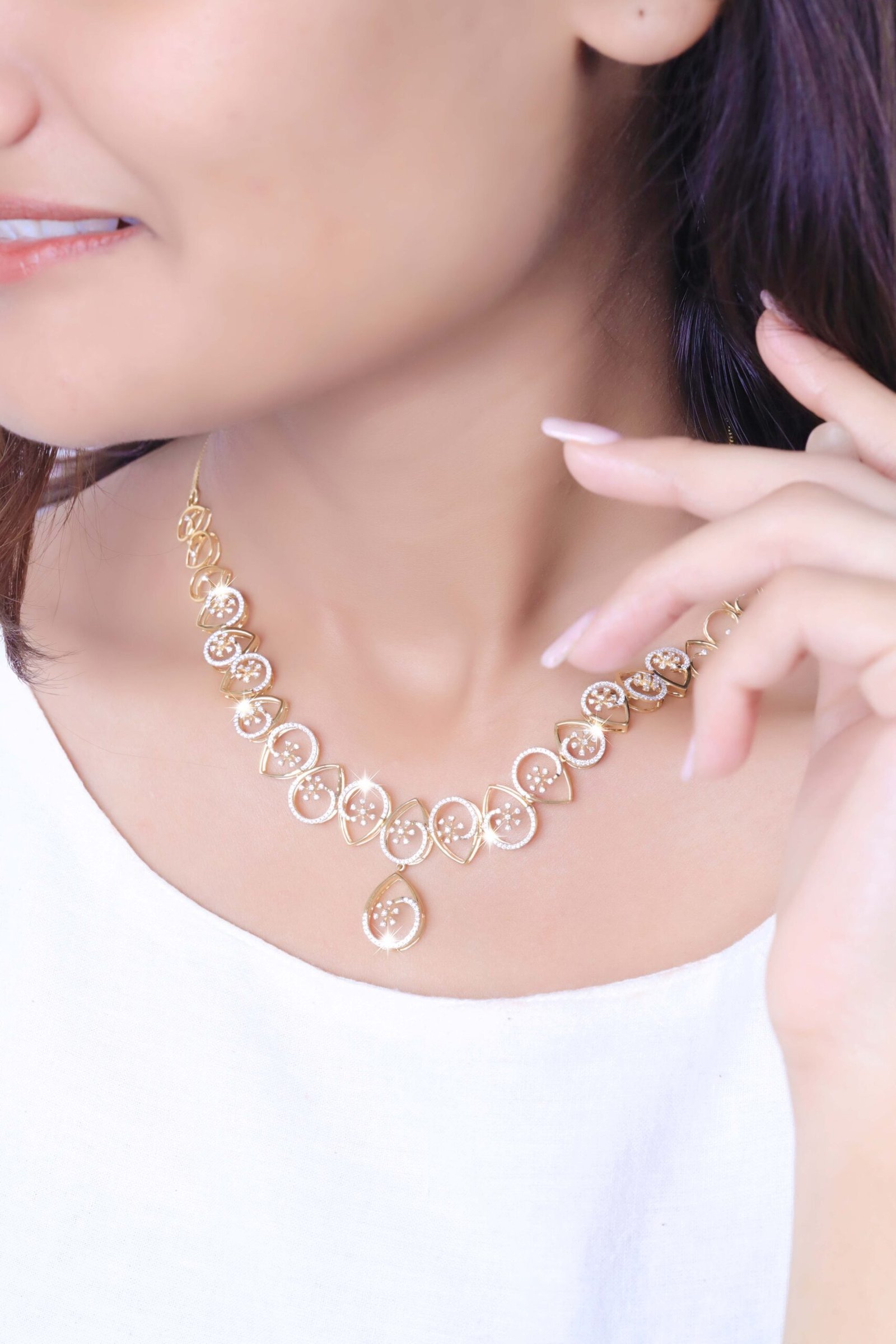
The resale value of jewellery can depend on the current gold price, purity, weight, the buyer's policies and applicable deductions.
The market value of gold at the time of sale can influence the underlying value of the metal.
The gold content of the item is an important factor in determining its value.
Testing, melting, refining or other deductions may affect the amount offered.
Exchange and buyback policies can differ between jewellers and other buyers.
Jewellery can serve several purposes. Understanding these purposes helps you distinguish personal-use value from pure investment value.
Jewellery can be worn and enjoyed while also providing exposure to gold.
Gold jewellery can have cultural, emotional and gifting significance.
Physical jewellery represents direct ownership of a precious metal product.
Gold jewellery may sometimes form part of family wealth and inheritance planning.
Gold prices can fluctuate, while jewellery also carries product-specific costs that may reduce the return an investor receives.
Explore Investment Risks →The market price of gold can decline after you purchase jewellery.
Making charges and other purchase costs can increase the break-even point.
The amount received on resale may be lower than expected.
Holding too much wealth in one asset can reduce portfolio diversification.
Personal use + gold ownership
Physical gold investment
Investment-focused bullion
Often applicable
Usually lower product-related costs
Usually lower product-related costs
Significant
Limited
Minimal
May involve deductions
Dealer spread matters
Dealer spread matters
Required
Required
Required
The quoted gold rate does not represent the entire jewellery purchase price.
High making charges can significantly increase the amount you pay.
Always verify the karat and applicable certification information.
A product's resale or exchange conditions can affect its eventual value.
Compare prices, charges, policies and product details before purchasing.
Jewellery has craftsmanship and personal-use value that affects its pricing.

Practical financial education to help you make more informed investment decisions.
Clear answers to common questions about gold jewellery, purity, making charges, pricing and resale value.
Gold jewellery can provide exposure to gold while also serving a personal-use purpose. However, making charges, taxes, design premiums and resale deductions can make it less straightforward as a pure investment than some bullion products.
Check purity, gold weight, applicable hallmark or certification information, gold rate, making charges, taxes, total purchase price and the seller's resale or exchange terms.
Making charges increase the purchase price but do not necessarily increase the quantity of gold owned. Higher charges therefore increase the amount gold must appreciate before the purchase reaches break-even.
The resale amount can differ from the original purchase price. Current gold prices, purity, weight, buyer policies, deductions and applicable spreads can all affect the final amount received.
Neither is universally better. 22K contains more gold, while 18K contains a higher proportion of other metals and can offer greater durability. The appropriate choice depends on the intended use and purchase objective.
They serve different purposes. Jewellery includes personal-use and design value, while bars are generally more directly tied to the underlying gold value. Compare total costs, liquidity, storage and your investment objective.
Look beyond the gold rate. Evaluate purity, weight, making charges, taxes, seller policies and resale conditions before purchasing.